Safeguarding
Recognise, Respond, Protect
Safeguarding means protecting a person's health, wellbeing, and human rights, enabling them to live free from harm, abuse, and neglect. Learn how one can recognize, prevent, and respond to safeguarding concerns. Recognise the signs, take safe action, and access support.
Quick Actions
People need Safeguarding
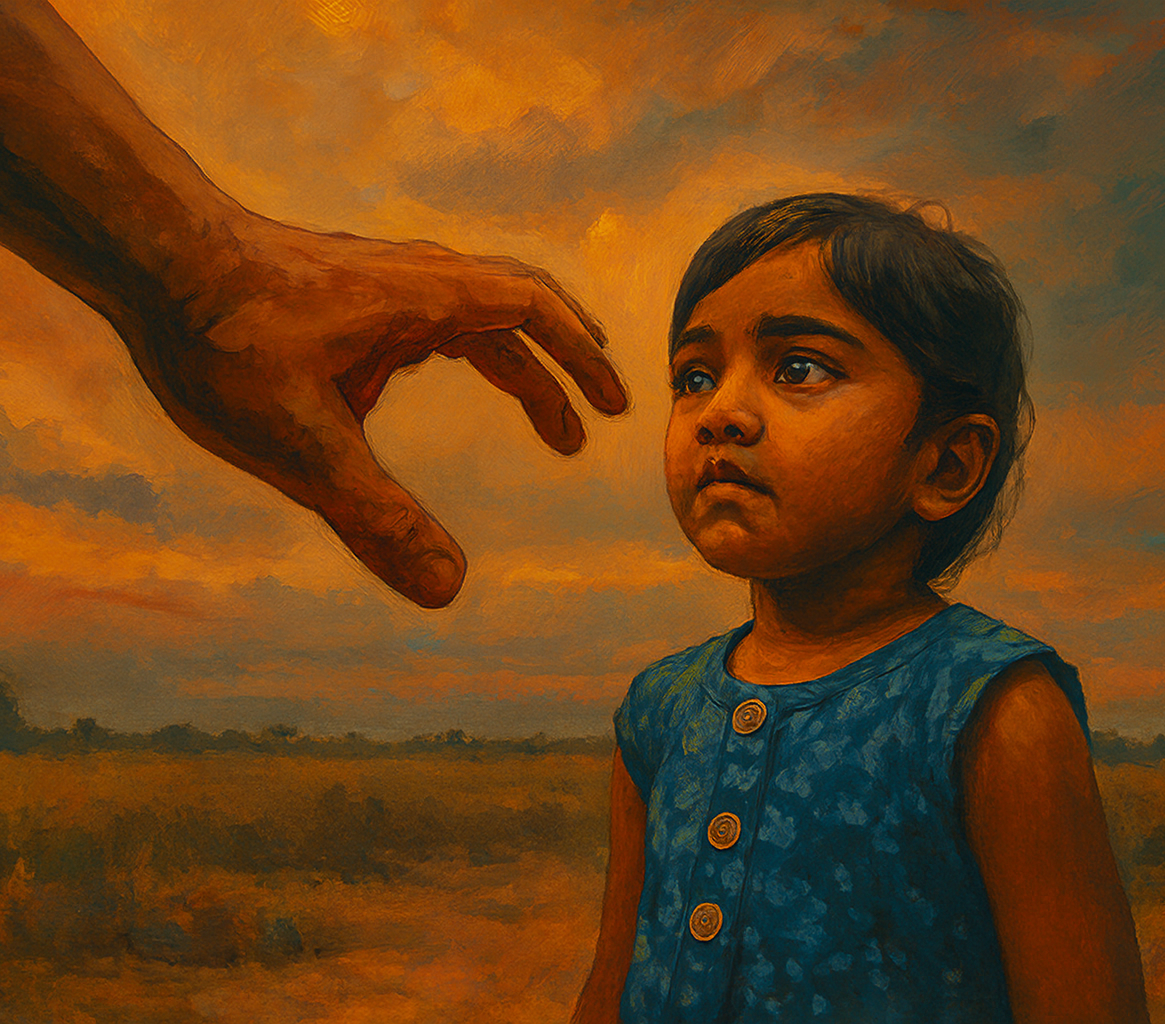
Children
Children and young people (anyone under 18). Children living in difficult circumstances or facing various threats.
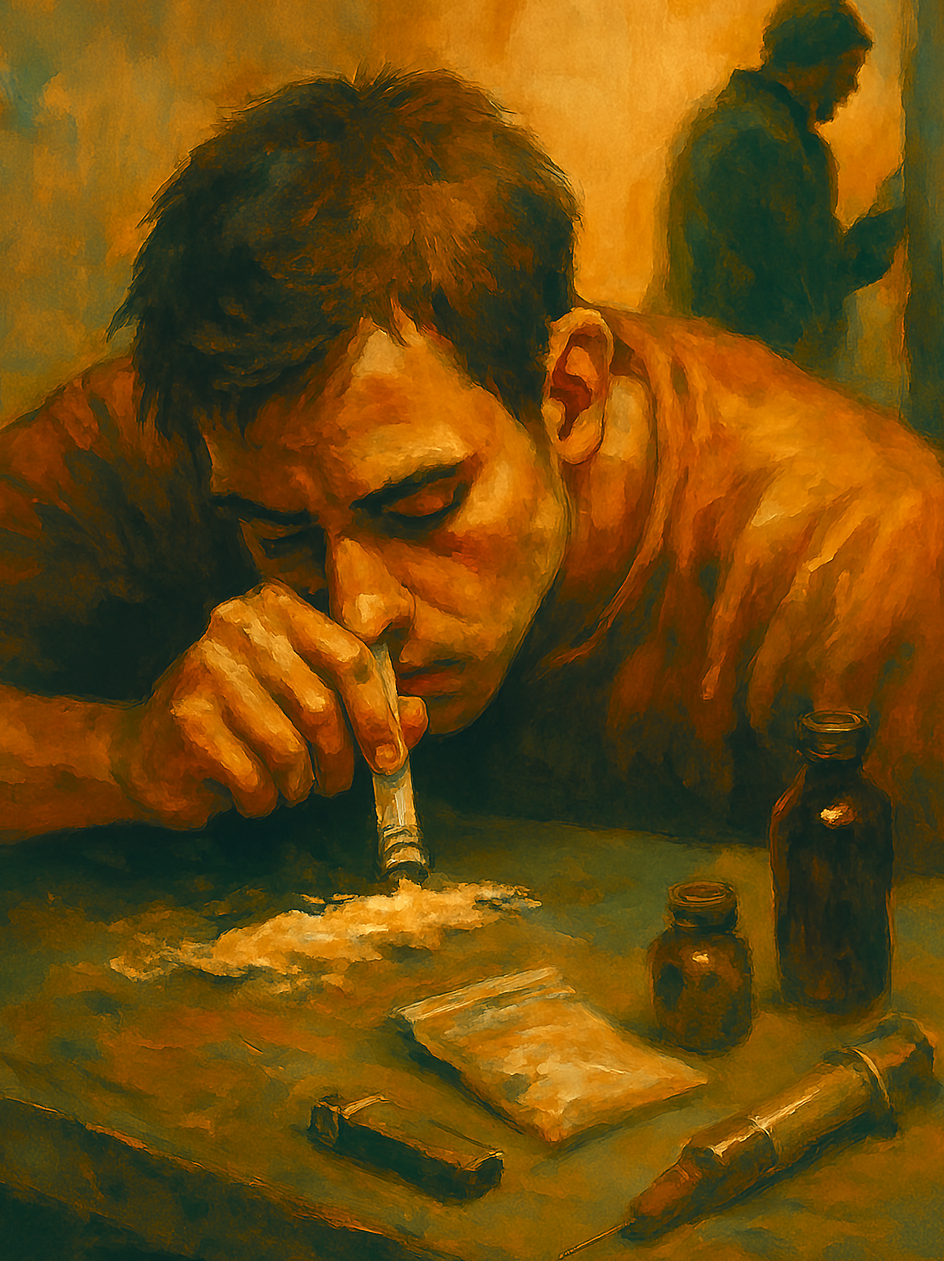
Adults at risk
Adults at risk and vulnerable adults; people who have learning disabilities or autism, misuse alcohol or drugs, have a mental health problem or cognitive impairment, lack the mental capacity to protect themselves or make safe decisions.
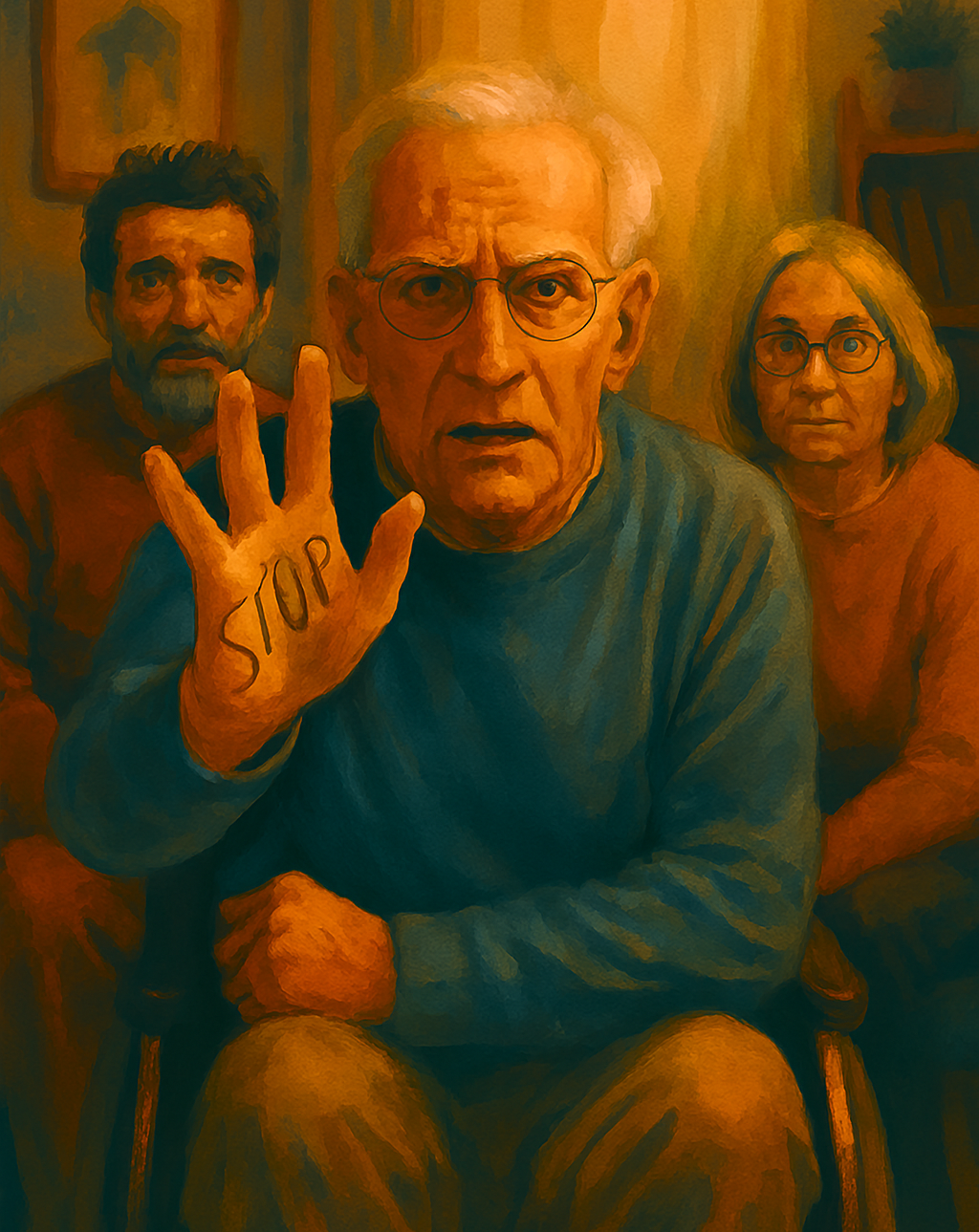
Elderly adults
Elderly people in dependent settings: care homes, hospitals, prisons, schools, supported housing.
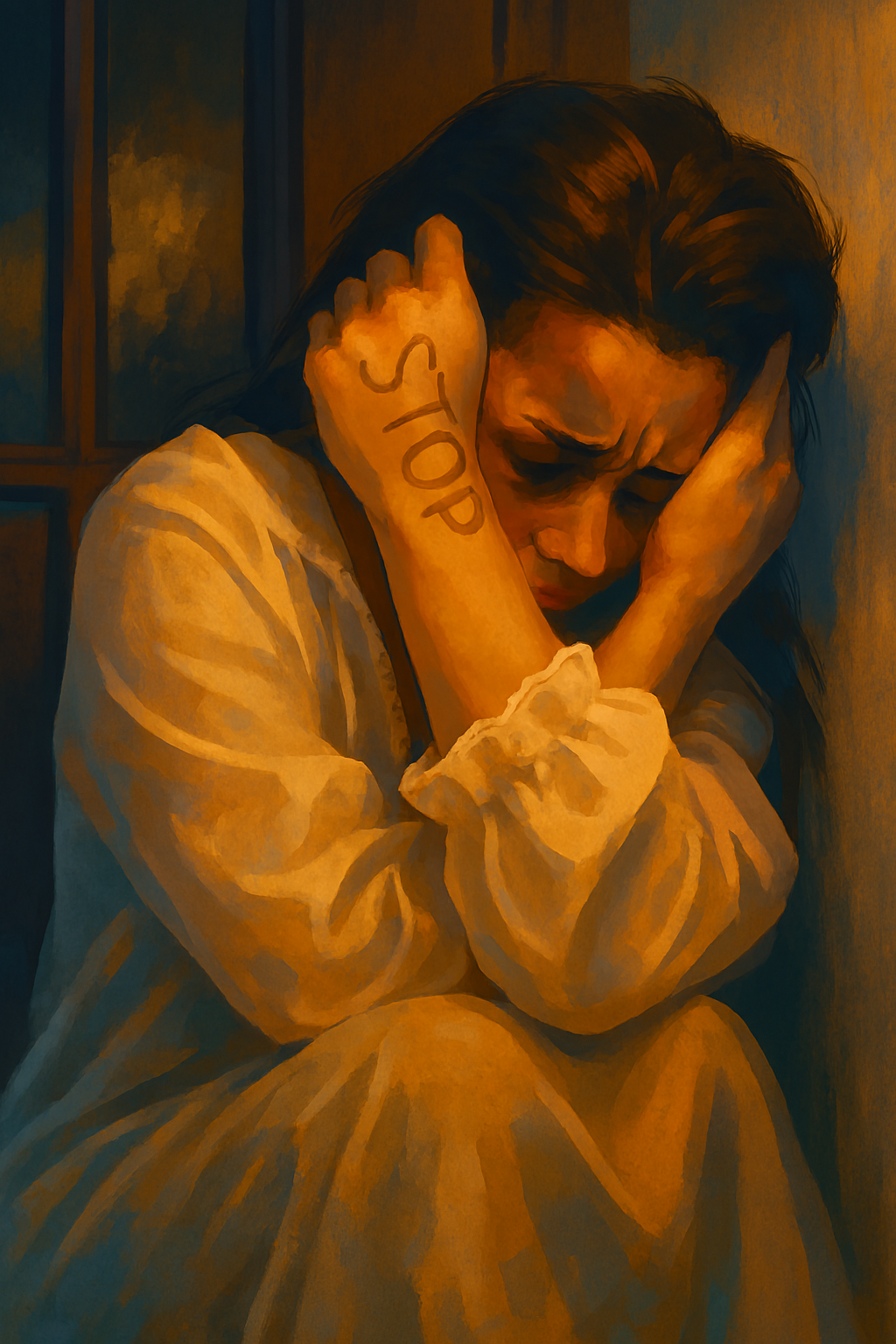
Anyone at risk
Anyone experiencing coercion, exploitation, trafficking, modern slavery, forced marriage, FGM, socially isolated, homeless, or have language/communication barriers.
Types of Abuse
Action Steps
Useful resources
National Society for the Prevention of Cruelty to Children
Support for older people
Information and resources for adult safeguarding
Free confidential helpline for children and young people